
First Christmas after divorce? 5 ways to make co-parenting easier


With more than 50,000 divorces officially finalised in the first half of 2026, many co-parents will be facing their first Christmas apart. If this is you, you might be wondering how to split the day, whether the children should wake up in one home or the other, or what the festive season will even look like now. If you’re feeling unsure, you’re not alone.
There’s no single right way to do Christmas as a separated family. Some co-parents alternate years, others split the day, and some spend part of it together. What matters is finding an arrangement that works for your children and for your family as it is now.
Kate Daly, co-founder of amicable and a relationship counsellor, has five expert tips to help newly divorced and separated parents make Christmas plans that put the child first.
1. Prepare early and remain open-minded
When discussing Christmas, both sides should remain flexible and open to different ideas rather than trying to convince your ex-partner to follow a specific plan.
“Start early and begin with what you both want for the children rather than the plan you’ve each got in mind. Bringing a few potential options to a conversation, rather than one fixed idea, helps to keep it constructive. Many couples find it works well to try one arrangement this year and agree to review it afterwards. If it feels tricky, speaking to a neutral third party like one of amicable’s Co-parenting Specialists can help structure the conversation, so you can both be heard and reach your own decisions together.”
Kate explains that the big three agreements parents should make are where the children will be and when, who does the handovers and where, and whether the day will be split or alternated from year to year.
Depending on the child’s age, it can also be worth asking them what they want to do, in a way that ensures they don’t feel there’s a right or wrong answer and they won’t feel guilty. Either way, tell children the final plan early, ideally together, in simple words, so there are no surprises on the day.
2. Be honest about what you’re comfortable with
When it comes to mapping out the plan, be honest with yourselves and each other about your current relationship as co-parents. If you’re considering spending the day together and inviting new partners, be realistic about whether this will lead to a stress-free environment.
“Spending the day together can give children continuity and show them their parents can still be kind to each other. The risk is that tension, or mixed messages about whether you might get back together, can leave the day feeling harder than it needs to be. Be honest about whether you can both stay relaxed for a whole day, and if that feels like a stretch, a shorter shared moment, like opening presents together, can be a good middle ground. There’s also no shame in wanting to keep celebrations separate if that’s what feels best for your family.”
“Christmas also shouldn’t be the first time you introduce a new partner to your ex or your children – and that goes for both you and your ex – so it’s worth making those introductions gradually, well before the day. Talking openly with a new partner beforehand can take the pressure off.”
3. Keep discussions brief amid unresolved conflict
If the divorce wasn’t harmonious or there are ongoing disputes, co-parents might need a different approach to plan for Christmas without escalating tension.
“Keep communication short, polite and factual. Put it in writing or use a co-parenting app so there’s a clear record and less chance of a row. Plan the details early, including handovers, so there’s as little as possible left to argue about on the day. Short, neutral handovers, perhaps somewhere public or with a trusted third party, can help. Many parents in this situation find it works to run their own Christmas separately, putting the children’s experience first and saving any disagreements for another time.”
Additionally, if one parent doesn’t stick to the plans or makes last-minute changes, referring back to the agreement can help limit tensions rising.
“Writing it all down in a parenting plan means there’s less room for misunderstandings in the run-up. Some flexibility can be kind, particularly if it works well for the children, but it’s fine to say no if changes are becoming a pattern.”
4. Set expectations around Christmas spending
Money can be a point of contention in relationships, especially if one person earns more than the other. To minimise fall-outs about money, it’s important to set expectations.
“Children don’t need an equal-sized pile of presents; they need to feel that both homes are warm and loving. Many parents agree on a budget for each child in advance, or choose one joint gift “from both” and keep the rest modest. Where there’s a big gap in income, it helps to talk about it as what’s right for the children rather than a competition. Money can bring up other feelings, so it’s worth having the conversation early and in writing.”
A CBeebies Parenting survey from last year found that 78% of parents find the festive season challenging because of the pressure to create a magical experience combined with the financial strain. Divorce can add to this pressure if both parents feel they need to overcompensate to ensure children still enjoy the festive season. However, it’s essential to stick to agreements and not push the budget, instead focusing on quality time with children.
5. Acknowledge difficult emotions
Understandably, the first Christmas for a family post-divorce will likely bring up lots of different emotions for everyone involved, including children. It’s important to acknowledge and accept these feelings, rather than trying to ignore them.
“If your children are sad or cross, listen and acknowledge how they feel rather than trying to fix it straight away. Many families find it helps to keep a few favourite traditions and to show children a calendar so they know where they’ll be and when. Reassure them that both parents love them and that none of this is their fault.”
As well as preparing children, it’s crucial to look after yourself, especially if you aren’t spending Christmas with your child for the first time.
“It’s one of the hardest parts of separation, and it’s okay to feel sad. Plan the day so you’re not on your own, whether that’s friends, family or something that gives you a lift, and arrange a call or video chat with your child if you can. Many parents find it helps to remember that Christmas is whenever you’re together, so you can celebrate on another day with the same love and excitement.”
“Keep expectations realistic, because it may well feel strange, and having a plan for a breather, like a short walk or a call with a friend, can make a big difference.”
Early preparation and clear communication are key when approaching the first Christmas after divorce. However, it’s also helpful to have some flexibility and understanding, as you face any teething problems as co-parents. At amicable, our Separating with Children Service helps parents work through these decisions together and put them into a clear plan, so the first Christmas feels calmer for everyone.
Sources
- Family Court Statistics Quarterly: January to March 2026 – 27,320 final divorce orders granted
- Family Court Statistics Quarterly: April to June 2026 – 25,550 final divorce orders granted
- CBeebies Parenting survey


Co-parenting advice
Speak to a Co-parenting Specialist for help with all aspects of separated parenting.
Book a free 15-minute consultationYour guide to a kinder divorce
What if divorce didn’t have to be a battle?
In amicable divorce, Kate Daly offers compassionate, practical guidance to help you separate in a kinder, better way. Whether you’re just beginning, working through the practicalities or adjusting to co-parenting, this book meets you exactly where you are - and helps you move forward with confidence.
Order on Amazon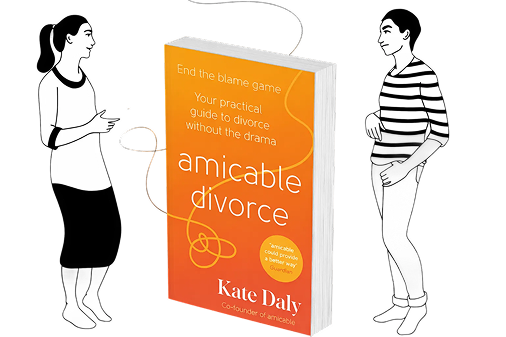
Comments (0)