
From living together to getting married: what changes legally?


| Getting married changes your legal position in England and Wales. It can affect money, property, inheritance, pensions and what each of you could ask for if the marriage later ended. If you already have a cohabitation agreement, it may no longer apply once you marry. Understanding the change helps you step into marriage with more clarity, not less romance. |
|---|
Living together can already feel like a shared life. You may share a home, bills, routines, family plans and responsibilities before you ever talk about marriage.
So when marriage comes up, it’s natural to wonder what actually changes. Is it mainly a personal commitment, or does it change your legal position too?
The answer is that marriage changes more than your relationship status. amicable helps couples have calm, practical conversations about money, home and future plans. This guide is designed to help you understand the questions to ask before you take the next step.
amicable is not a law firm and this article is not legal advice. It’s simply designed to help you understand the questions to ask before you take the next step.
What changes legally when you get married?
Getting married creates a different legal status from living together. It will affect how money, property, inheritance and financial arrangements are treated in England and Wales.
You may feel just as committed before marriage as you do after it. But the law doesn’t treat living together in the same way as marriage or civil partnership.
That does not make marriage better or worse than living together. It means marriage comes with legal effects that are worth understanding before you make the commitment.
The biggest changes are usually around financial responsibilities, inheritance, pensions, the home and what each person could ask for if the marriage later ended.
How is marriage different from living together?
Living together does not create the same legal rights as marriage in England and Wales. You may share a home, money and family life, but cohabiting partners are still treated differently from spouses.
That difference can matter even if you have been together for years. The length of relationship alone does not usually make an unmarried couple legally the same as a married couple.
Marriage can change the way financial claims, inheritance and pension benefits are considered. It can also affect the documents you already have, including wills and cohabitation agreements.
This is why the conversation is worth having before the wedding, not after. It gives you both time to understand what changes and what you may want to review.
What happens to a cohabitation agreement when you marry?
A cohabitation agreement is designed for couples who live together but are not married or in a civil partnership. If you marry, it may no longer apply in the same way, so you should review your arrangements before the wedding.
That does not mean the conversations you had for your cohabitation agreement were wasted. They may still be useful because they show what you both cared about, how you thought about fairness and what you wanted to record at the time.
But marriage is a different legal step. The agreement you made while living together may not be the right document once you marry.
If you already have a cohabitation agreement, it’s sensible to ask what should happen to it before you get married. That may include taking legal advice on whether a different agreement is needed for the next stage.
What changes for your home and money?
Marriage can change how money and property are considered, especially if the marriage later ended. This can include the home you live in, savings, debts, pensions, income and wider financial needs.
If you owned a home before marriage, marriage may affect how that home is looked at later. If you bought together before marriage, you may need to understand whether the ownership structure still reflects what you both intend.
Money can also feel different after marriage because more of your financial life may become shared in practice. You may still keep your own accounts, savings, or assets, but marriage can change the legal context around them.
This does not mean you need to merge everything. It means you should talk about what marriage changes, what you each want to keep separate and what you both see as shared.
What changes for inheritance and wills?
Marriage will affect inheritance and wills, so this is one of the most important areas to review before getting married.
If you already have a will, marriage will affect it. You should not assume an old will still does what you want it to do after marriage. Unless it expressly says otherwise, any will you make before you marry will be automatically revoked upon marriage.
Spouses will also be treated differently from unmarried partners under inheritance rules. That can matter if you own property, have children from a previous relationship, or want to make sure your wishes are clear for your partner and family.
This is not just a legal point. It is a relationship and family conversation too. If marriage changes who may inherit, or how your wishes are recorded, it’s better to understand that before the wedding.
Should you talk about a prenup before getting married?
You may want to talk about a prenup before getting married if either of you has property, family money, a business, children from a previous relationship or financial arrangements you both want to make clear.
A prenup can help couples record what they both intend before marriage. Prenups carry real weight in England and Wales when made properly.
This conversation does not need to feel unromantic. It can be part of preparing for marriage with care, especially if your financial lives are already complex.
The important point is not to leave the conversation until the last minute. If you want to explore a prenup, get specialist advice in good time before the wedding. They should be signed at least 28 days before the wedding, so make sure you leave plenty of time to take advice, agree terms and finalise the document.
Key takeaways
- Marriage changes your legal position in England and Wales.
- Living together is not legally the same as being married.
- A cohabitation agreement may no longer apply once you marry.
- Wills, inheritance, property and pensions may need reviewing before the wedding.
- A prenup can help couples record intentions before marriage, especially where finances are more complex.
- Understanding the legal change can help you enter marriage with more clarity.
Cohabiting vs married: what changes at a glance
| Area | Living together | Married |
|---|---|---|
| Legal status | Living together does not create the same legal position as marriage. | Marriage creates a formal legal status. |
| Home | Ownership depends on title and written agreements. | The home may be considered differently if the marriage later ended. |
| Inheritance | An unmarried partner may not inherit automatically without a will. | A spouse may have inheritance rights, and marriage will affect wills. |
| Agreements | A cohabitation agreement is designed for unmarried couples. | A prenup or postnup may be the relevant agreement route. |
| Pensions | Cohabiting partners will not have the same pension position as spouses. | Marriage can affect pension and survivor benefit rules. |
FAQ
What changes legally when you get married?
Marriage changes your legal status. It can affect money, property, inheritance, pensions and what each of you could ask for if the marriage later ended.
Is living together the same as being married?
No. Living together does not create the same legal position as marriage in England and Wales, even if you have lived together for many years.
What happens to a cohabitation agreement when you get married?
A cohabitation agreement is designed for unmarried couples. If you get married, it may no longer apply in the same way, so you should review it before the wedding.
Does marriage affect my will?
Marriage will affect an existing will, so you should review your will before getting married. This is especially important if you own property, have children from a previous relationship or want your partner and family to be provided for in a specific way.
Should we talk about a prenup before getting married?
It can be worth talking about a prenup if either of you has property, family money or children from a previous relationship, a business or financial arrangements you both want to make clear. Prenups carry real weight in England and Wales when made properly.
Do we need legal advice before getting married?
You may want specialist legal advice if you own property, already have a cohabitation agreement, have children from previous relationships, expect family money, own a business, or want to understand whether a prenup is right for you.
Getting clear before you get married
Marriage is a personal commitment, but it’s also a legal step. If you have already been living together, the day-to-day shape of your relationship may not change much. But your legal position can.
That does not make the step less romantic. It simply means the practical questions deserve a place in the conversation.
Before you marry, take time to understand what changes for your home, money, wills, inheritance, pensions and any agreements you already have. For many couples, that includes a quiet conversation about whether a prenup could help you set out what you both intend, in your own words, before the wedding. The clearest relationships are often the ones where both people know what they’re stepping into together.

Your guide to a kinder divorce
What if divorce didn’t have to be a battle?
In amicable divorce, Kate Daly offers compassionate, practical guidance to help you separate in a kinder, better way. Whether you’re just beginning, working through the practicalities or adjusting to co-parenting, this book meets you exactly where you are - and helps you move forward with confidence.
Order on Amazon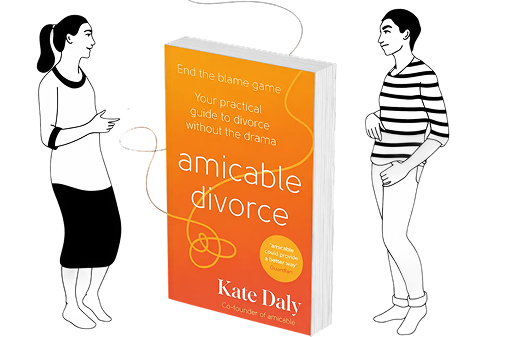
Comments (0)