
Splitting the bill: the cost of divorce in 2026


The cost of divorce has risen by an average of 45% over the last decade, according to a new report by amicable. However, to combat rising costs, more and more people are using alternative divorce services to solicitors, saving themselves time, money and stress.
amicable’s report on the cost of divorce in 2026
amicable surveyed 2,000 people across the UK who separated in the last decade to uncover the true price of conflict - and what happens when couples choose a better way.
Rising divorce costs
One of the most revealing findings from the report was the rise in the average cost of a divorce: £8,296 in legal fees, compared to £5,690 only five to ten years ago.
Due to the sharp rise in divorce costs - amid a continuing cost-of-living crisis - only 28% of couples have used a lawyer or solicitor to separate in the last 12 months, compared to 52% over the past decade.
Solicitors often charge by the hour. This can lead to spiralling costs, especially during complicated cases, which is why less people are choosing them when money is such a concern. Instead couples are choosing to handle the process themselves, use mediation, online divorce services or couples’ legal and negotiation services like amicable.
Shockingly: 1 in 20 people spent £20,000 or more in legal fees each , which is eleven times more expensive than many of amicable’s divorce services.
We wanted to spread the word about the report, in particular the message that divorce shouldn’t cost as much as it does. You don’t need a solicitor to get divorced - and divorcing the amicable way can save not only money, but also time and stress.
Over a quarter of couples continue living together after separating
Again, due to rising divorce costs and the cost of living crisis, 27% of couples continue living together after separating. This lasts for an average of seven months, making an amicable divorce even more essential in minimising tension, stress and conflict during this time.
The rise of prenups
A prenuptial agreement is a legal agreement made by a couple before they get married or enter into a civil partnership. It sets out how their assets, property, and finances would be divided in the event of a divorce or separation.
While not yet legally binding in the UK, they can provide some protection in the event of a separation. According to our new research, 21% of Millennials and almost a third of Gen Z have used a pre-nup or other financial agreement, compared to only 4% of Baby Boomers and 9% of Gen X.
As divorce becomes more commonplace and destigmatised, younger people are ready to accept the fact that it might happen to them. If it does, they want to have peace of mind and financial security.
Listen to this Divorce Podcast episode on prenups:
Get the full report
The report looks at five key areas:
- The financial toll of separation
- What happens to the family home
- The impact on children, co-parenting and pets
- How splits affect careers
- Approaches to romance and relationships after divorce
Download amicable's report into the cost of divorce here.
Key takeaways:
- The cost of divorce has risen by 45% in the last decade
- More people are using alternatives to solicitors to get divorced, to combat rising costs
- The top 5% of most expensive divorce cases cost eleven times more than amicable’s divorce services
FAQs about the cost of divorce:
Do I have to use a solicitor to get divorced?
No, you don’t have to use a solicitor to get divorced. You can do your divorce by yourself via the government website, but you will need a divorce expert to write your consent order if you decide to get one.
Why is the cost of divorce going up?
The cost of living crisis and inflation have caused the price of divorce to go up. Solicitors also often charge by the hour, leading to spiralling costs in more complex cases. However, amicable uses a fixed-fee model, so you never pay more than you need to.
Should I get a prenup if more people are getting them now?
Just because more people are getting prenups doesn’t mean you need one. You may not need a prenup, as they aren’t always right for every situation. However, if you have a large amount of savings, your own property, or other assets you’d like to protect in the event of a divorce, a prenup might be a good thing to consider.
.webp)
Your guide to a kinder divorce
What if divorce didn’t have to be a battle?
In amicable divorce, Kate Daly offers compassionate, practical guidance to help you separate in a kinder, better way. Whether you’re just beginning, working through the practicalities or adjusting to co-parenting, this book meets you exactly where you are - and helps you move forward with confidence.
Order on Amazon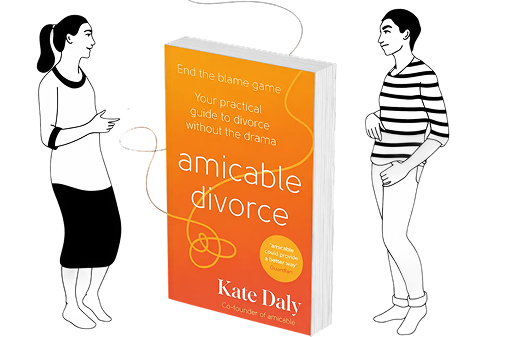
Comments (0)