
Grey divorce: why more over-50s are choosing to separate


Grey divorce refers to separation or divorce after age 50. It's becoming increasingly common: according to the Office for National Statistics (ONS) divorces among those aged 65 and over have been on the rise. Between 2005 and 2015, the number of men divorcing at 65+ increased by 23%, and for women, it jumped by 38%.
At amicable, we understand that grey divorce brings unique challenges around finances, pensions and adult children, which is why our Divorce Specialists can help you navigate this life change with clarity and care.
If you're considering divorce later in life, you're not alone. In this blog, we'll explore what grey divorce is, why it's happening more often, what it means for families and why it can be a positive life change.
What is a grey divorce?
Grey divorce is the term used for divorce after age 50, often following decades of marriage.
Why are more people divorcing after 50?
The reasons are varied: increased lifespan, deeper understanding of relationship dynamics and changing attitudes towards divorce, but this increase in divorce later in life points to one thing – people are prioritising their happiness and wellbeing in ways previous generations didn't.
Let’s look at why that is.
Women have greater financial independence
Statistically, women initiate the majority of all divorces, including grey divorces. ONS figures show that 63% of divorces are filed by women, in part because they now have options they didn't have before. They don't have to stay in a marriage that doesn't make them happy just because they can't afford to leave.
Women now have more career options and financial security than in past generations, giving them greater freedom to leave unhappy relationships later in life.
No-fault divorce has also made it easier for women to begin the divorce process as they no longer need a reason beyond the marriage having broken down.
People are living longer
Divorce rates for this age group have been rising for years across the world, largely driven by an increase in life expectancy, which has risen from 70 years in 1960 to 82 years in 2025. Since people are living longer, they want those later years to be as happy as possible, and sometimes that means ending their marriage.
Changing expectations of marriage
Couples today prioritise happiness and fulfilment. Previous generations might have stayed together 'for the children' or because divorce carried social stigma. That's less likely now, as we know that staying in an unhappy marriage can have a worse impact on children than separation.
This is talked about in a recent episode of The Divorce Podcast, which you can watch below:
Growing apart
The most common reason for grey divorce isn't adultery, it's just drifting apart.
People change as they age, with their priorities, interests and values shifting over time. Some couples grow closer during this time, but others grow apart.
Empty nest syndrome can play a role too. Once the children leave home, some couples realise they have little in common beyond their roles as parents.
Grey divorce’s impact on adult children
It's important to acknowledge that grey divorce doesn't just affect the couple. Adult children of divorce can be deeply impacted too, often feeling caught in the middle.
Some struggle with a loss of boundaries: parents might suddenly ask them for dating advice or share details they'd never discuss with younger children.
But there is also a positive side, as many adult children are actually relieved when their parents divorce, especially if there was conflict between them when they were growing up.
The positives of grey divorce
Grey divorce can be an opportunity for renewal and personal freedom. After decades of prioritising marriage, children and family, it can feel freeing to ask: 'What do I want? What makes me happy?'
This can be an exciting time. People going through a grey divorce can pursue interests and hobbies they put aside – they can travel, learn new skills and spend time with friends.
There are also surprising health benefits to grey divorce. Staying in an unhappy marriage can actually be worse for your health than divorce, as it creates stress and unhappiness that takes a toll on your emotional and physical wellbeing. Long-term stress can lead to heart issues and decreased immune system function, so sometimes ending the marriage is the healthier choice.
Getting support through grey divorce
Build your support system
If you’re going through grey divorce, it’s important to keep strong connections with friends and family. They can help you stay focused on all the positives this change is bringing, and provide support when things are difficult. Hearing from people who understand what you're going through can reduce feelings of loneliness and isolation which might come up during separation.
Get financial advice early
Divorce can impact your finances, so it can be helpful to speak to a financial adviser who can help you understand your options, create a budget and plan for your financial future.
Pensions are often of particular interest during divorce, as they can provide long-term financial security and stability. If you’re approaching retirement age when you divorce this can be especially important - so it’s worth speaking with an expert to look at your pension.
Get professional support
Consider therapy to help you process your emotions and work through the transition. A therapist can help you identify what went wrong, heal your relationship with yourself and prepare for future relationships if that's what you want.
At amicable, we can help you navigate the divorce process in a positive, collaborative way. Our Divorce Specialists understand the unique challenges of grey divorce and can support you in reaching a fair agreement that works for both of you.
You can book a free 15-minute consultation with one of our Divorce Specialists to talk through your situation and explore your options.
FAQs about grey divorce
What age is considered grey divorce?
A grey divorce could be used to describe a divorce for people over 50.
How does grey divorce affect pensions?
Since people in grey divorces are nearing the end of their careers, pensions are often of particular interest in the financial negotiations that come with divorce. They might want to protect their pension, or split it with their ex-partner to help provide financial security for them if they don’t have as much of a pension.
Do adult children get a say in their parents' divorce?
While they don’t necessarily ‘get a say’ as it’s not their decision, children should always be considered in the divorce process, as it’s vital to ensure they’re provided for and their wellbeing is prioritised.
Is it too late to divorce after 50?
No, you can get divorced at any age if you feel your marriage has broken down. Divorces in later life are on the rise, and no-fault divorce has made it easier to start the legal process of separation without the need to blame anyone in the relationship. If you’re thinking about ending your marriage, we can provide support if you need it.

Your guide to a kinder divorce
What if divorce didn’t have to be a battle?
In amicable divorce, Kate Daly offers compassionate, practical guidance to help you separate in a kinder, better way. Whether you’re just beginning, working through the practicalities or adjusting to co-parenting, this book meets you exactly where you are - and helps you move forward with confidence.
Order on Amazon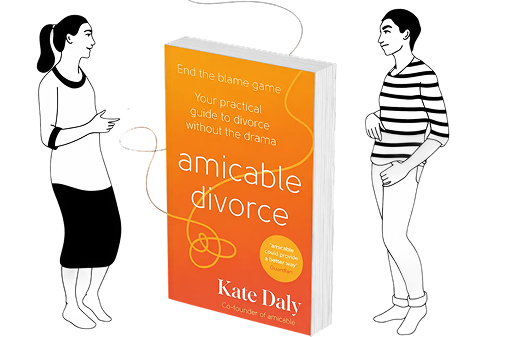
Comments (0)