
Early dating after divorce: Your emotional readiness checklist


Deciding to date after separation or divorce can feel exciting, confusing or even scary. There’s no ‘right’ timeline - every journey is different. But before you jump in, it’s helpful to check in with yourself emotionally. This guide by Divorce Specialist Carol Harte gives you a gentle readiness checklist, practical tips for early dating and red flags to watch for in yourself and others.
Why emotional readiness matters
Dating too soon, or for the wrong reasons, can leave you feeling hollow, triggered or stuck in patterns you’re trying to move past. Taking time to understand your feelings helps you show up in relationships with clarity, confidence and compassion - you owe it to yourself and anyone you date.
A personal early dating story from Christina
“After marrying a close friend back, I’d never experienced what people call ‘modern dating.’ So finding myself newly separated in my late twenties, having never used dating apps or tried anything like speed dating felt pretty daunting.
I spent the first six months after the separation focusing on myself. I rediscovered hobbies I’d long forgotten, made space for rest and slowly rebuilt a wonderful circle of like-minded friends. It was a really valuable time. But when my ex told me he’d started dating, I was surprised by how triggered I felt. It made me wonder whether I might be ready to dip my toe in too.
With some encouragement (and practical help) from friends, I set up a Hinge profile. I made a conscious decision to be open about where I was in life - separated and in the process of finalising my divorce. I also tried to be honest about what I’d learned from my relationship and the things I was still working on.
What I didn’t expect was how open other people would be in return when I started using Hinge. Most of the people I met were kind and considerate - and many shared their own experiences of relationships that hadn’t worked out and what they’d learned along the way. A few matches even said they appreciated how upfront I was about my divorce and respected that I was prioritising myself by going to therapy.
If I had one piece of advice, it would be this: be upfront about your situation, share what you’ve learned and try to assume good intentions (whilst staying safe and setting boundaries). There are people out there who want the same thing as you and understand that everyone has a story.”
*Christina is part of the amicable marketing team. She married in 2018 and finalised her divorce in 2025, shortly before joining amicable. She recently moved in with someone she met on Hinge. His first message to her was, ‘What have you learned from your marriage?’
Your emotional readiness checklist
Here are some helpful exercises to help you assess how ready you might be to explore dating again. There’s no pass or fail, just awareness. I hope this helps you to reflect and decide what to do next.
How much time has passed?
Dating is not the same as healing. If you’re still carrying intense grief, anger or confusion from your divorce, it can spill into new connections. Ask yourself:
- Am I ready to meet someone as myself?
- Do I feel more calm than chaotic, day-to-day?
- How often do I cry or become angry when I think about my ex?
If things still feel raw, you might not be ready to meet someone new and could benefit from taking more time to process your emotions.
What’s your motivation? Why do you want to start right now?
Loneliness after divorce is common. But dating just to avoid being alone can mask deeper needs. Notice your motivation and the feelings behind why starting to date appeals to you.
- ‘I’m looking for companionship and someone to share my life with’
- ‘I’m feeling lonely and want someone to give me energy and affection’ If it’s the latter, creating a fuller life (friendships, hobbies and self-growth) can bring you more satisfaction and a healthy balance before you step into dating again.
Can you say you’ve learned from the past?
Early dating is a chance to practice new patterns - not repeat old ones. Reflect on:
- What worked (and didn’t) in your previous relationship
- Emotional triggers you want to avoid
- The habits you want to bring into a future partnership
- Where you and your ex-partner clashed and whether you’ll be able to pinpoint these incompatibilities early on with someone new
This self-awareness helps you date with intention, ask better questions and be more considerate of your needs.
Your emotional readiness checklist
| Area of readiness | Reflective question | Signs you may be ready | Signs you may need more time |
|---|---|---|---|
| Emotional processing | Have I had the space to process the end of my relationship? | You can talk about your ex without intense anger or sadness | Conversations about your ex quickly trigger strong emotions and you find it difficult to stay present |
| Motivation for dating | Why do I want to date right now? | You are curious about making connections with new people | You mainly want a distraction from feelings of loneliness, or are seeking validation |
| Comfort with being alone | Can I enjoy my own company? Have I taken the time to pursue solo hobbies? | Time alone feels peaceful or productive | Being alone feels uncertain or intolerable |
| Relationship patterns | Have I owned my role in relationship dynamics from the past? | You can name patterns you want to change, know your triggers and can communicate them | You see the breakup as entirely the other person's fault |
| Resilience | How would I cope if a date didn't work out? | You'd feel disappointed but able to move forward | Rejection feels like it would confirm negative beliefs |
| Communication | Can I talk openly about my feelings, preferences and bounds? | You feel able to express your expectations | You tend to hide your feelings or avoid difficult confrontation |
Practical early dating tips
Be honest with yourself and others about what you want and what you might be ready for. It’s a good idea to have a plan for the qualities you would like to find in someone - and know what aspects would likely be compatible with your needs.
Where to start
- Be clear about your boundaries and non-negotiables
- Remember that anyone you date should also be a match for you - prioritise yourself
- Set clear filters and dealbreakers if you choose to use a dating app
- Clear communication reduces misunderstandings later, even though it can feel difficult to set expectations with someone you might have just met or exchanged a handful of messages with.
Take it slow
You don’t need to rush labels, meet families or make big plans right away. Focus on small, consistent steps. Keeping things a bit more lighthearted at first can help you assess the dynamic in a clear way and make the experience more fun.
Use mindful dating spaces
Choose dating platforms and settings that feel safe and respectful. Consider:
- Apps that encourage you to create a mindful profile
- Shared activity dates (walks, classes and coffee meetups)
- Group settings or social events that make dates more public
- Involve your friends and support system Slow, purposeful interaction builds comfort and trust over time.
Conversation starters for your first dates
- What’s been the highlight of your week so far?
- How do you usually like to spend a free Sunday?
- How has the dating experience been for you so far?
- What have you learned about yourself from past relationships?
- What’s your comfort-watch TV show or film?
- Tell me about your friends, what are they like and how do you spend time together?
What if you’re not sure about a second date?
This is very common - and completely okay. Not every date leads to a deeper connection.
First, check in with yourself
Try asking:
- Did I feel comfortable being myself?
- Did conversation flow, or did it feel forced?
- Was I curious to know more about them?
- How did I feel after the date - energised, relieved, unsure? You’re not necessarily looking for fireworks. Just a sense of ease, safety and interest.
It’s okay if attraction builds slowly.
Sometimes connection grows with familiarity. If there were no red flags and you felt reasonably comfortable, a second date can help you gather more information. But if you felt tense, unheard or unlike yourself, that’s useful information too and probably worth thinking more carefully about meeting up again.
How to decide
You might consider a second date if:
- You felt relaxed enough to be yourself
- There was mutual effort and curiosity
- You’re unsure but open to learning more How to say no kindly
You don’t need a long explanation. A simple, respectful message is enough to share that you won’t be pursuing a connection with them further.
It's okay to say: “Thank you for meeting up - I enjoyed getting to know you. I don’t feel the connection I’m looking for, but I wish you all the best.”
It respects both your feelings and theirs by taking a few minutes to clearly communicate your intentions.
Red flags
Some behaviours may signal emotional unavailability or lack of respect. Watch for:
- Pressuring intimacy before you’re ready
- Dismissing your boundaries
- Talking negatively about all their ex-partners
- Constant comparison to your past relationship
- Inconsistent communication or mixed signals that create anxiety Trust your instincts - if something feels off, it probably is.
Red flags to notice in yourself
Emotional readiness isn’t just about the other person. You might still have some work to do if you notice:
- You compare every potential date to your ex
- You pursue someone too quickly, just to be able to claim you’ve started dating
- You’re anxious about being single more than interested in a genuine connection Be honest with yourself if you find you're not ready.
Helpful online resources
Here are supportive tools and places to explore as you navigate early dating after divorce:
BetterHelp - one of our trusted partners who provide online therapy NHS Every Mind Matters - tips for mental wellbeing before dating Mind UK - emotional support and self-care resources Relate - relationship counselling and guidance
You’re moving forward - one mindful step at a time
Early dating after divorce doesn’t need to be rushed or confusing. When you check in with yourself first - your motivations, your triggers, your needs - you create space for connection that’s healthier, stronger and more aligned with who you are now.
Helpful tools and support:
Articles Dating after divorce tips Introducing a new partner to friends and family after separation
Podcasts You can find all available episodes of The Divorce Podcast about after life after separation Dating post-divorce: apps, expectations and flirting tips with Cate ex-tras: How to handle change when you both move on
Support amicable space community forum - A supportive space to ask questions, share experiences and learn from others.
Services If you're seeing someone and think you might like to move in together, we now offer a Living Together Planning Session, to help you start your new chapter.
-modified.webp)
Your guide to a kinder divorce
What if divorce didn’t have to be a battle?
In amicable divorce, Kate Daly offers compassionate, practical guidance to help you separate in a kinder, better way. Whether you’re just beginning, working through the practicalities or adjusting to co-parenting, this book meets you exactly where you are - and helps you move forward with confidence.
Order on Amazon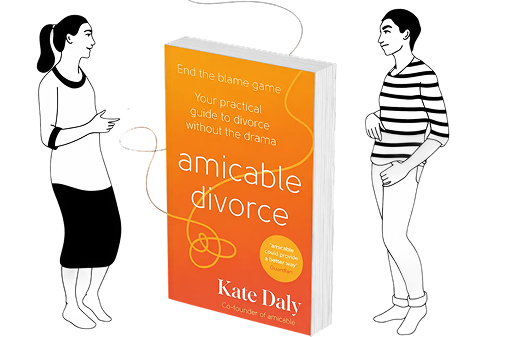
Comments (0)