
Emotional burnout during divorce: recognising the signs and how to recover


One of the hardest parts of going through a divorce is having to manage the rest of your life at the same time. It can be emotionally draining and physically exhausting, and having to deal with these difficult feelings over a long period of time can lead to burnout. This can damage your health and slow down your divorce, as you have less energy to make agreements and move forward.
Divorce burnout is common, but not inevitable. This article will look at what divorce burnout is, what the symptoms are and how you can look after yourself and recover from it.
What is divorce burnout?
Divorce burnout is the feeling of exhaustion that comes with the emotional and mental stress of separating. There’s not only a lot to do in terms of the legal and financial process, but also a range of difficult feelings like pain, anger and confusion that need to be dealt with.
During a long, stressful divorce, your body can stay “on alert,” with adrenaline keeping your heart rate up, muscles tight, and sleep unsettled. Over time this can leave you feeling wired and worn out, with more aches and pains, tummy upsets, and colds.
You may be grieving the loss of your relationship, feeling uncertain about the future or worrying about your children and how they’ll handle the divorce.These anxious feelings can put strain on your health and general wellbeing.
Let’s look at the symptoms of burnout, and what can be done to manage and recover from it.
Symptoms of divorce burnout
Increased stress and irritability
One of the most common signs of burnout is a reduced ability to cope with the small annoyances of daily life.
When so much is being asked of you, it can be harder to manage your emotions. Something that would ordinarily not make a difference to how you feel can suddenly make you explode with anger.
Being aware of this can help you manage your emotions, even if it’s just taking a second to control yourself if you feel anger beginning to bubble up.
Insomnia and fatigue
Another common sign of burnout is increased tiredness and lack of sleep. This isn’t surprising, as dealing with all the emotions and anxiety of divorce can leave you exhausted and even keep you up at night.
‘Sleep hygiene’, trying to get into a good sleep schedule, can help here. Turning off your phone, logging off from work and spending time in bed reading can give you the best possible chance of a good night’s rest. A dark room is also important as your brain’s pineal gland naturally releases melatonin in darkness, which helps your body wind down for sleep.
Appetite changes
High stress levels can impact our appetite, which in turn can tank our energy levels throughout the day. For some people, stress and anxiety can manifest as a physical sensation in the stomach, making it difficult or even impossible to eat.
While you may not be able to stick to your usual routine with breakfast, lunch and dinner, it’s so important to eat as regularly and as healthily as you can during divorce. This gives you the energy you’ll need to move through the process.
How to recover from divorce burnout
Use your support network
One of the best ways to recover from burnout is to use your support network of friends and family.
While they can’t do all the paperwork for you, they can help you get away from the stress of divorce and focus on more enjoyable things. Just spending time with someone else can help keep things in perspective, and help you relax and recharge.
It can also be helpful to feel heard, and to speak with people who understand what you’re going through. That’s why we built the amicable space community where you can share your experiences with other members of the forum.
Manage your stress levels with self-care
It’s so important to take time for yourself during your divorce.
It can be tempting to try to get everything done as fast as possible, but that can lead to increased stress and frustration. Over a long enough time, this leads to burnout.
There will be times throughout the divorce process where there isn’t anything else you can do but wait.This is the perfect time to look after yourself and do something that you enjoy.
Whether it’s going for a run, going to the cinema, or even just having a bath and going to bed early, whatever makes you feel better is worth making time for.
Read more about self-care during divorce here.
Get professional support
Sometimes the best thing you can do for yourself if you’re dealing with burnout is to get some professional support. A counsellor or therapist can provide you with a safe space to share your feelings, and allow you to work through them so you can begin to move on.
You can also get professional support for the practical and legal parts of your divorce. Often burnout comes from the level of work that goes into a divorce, as it requires a large commitment over a long period of time.
Getting help with this work can reduce the effort you have to put in, making burnout less likely to occur. We can help you with the paperwork, and give you advice on how to manage the process to protect your mental health. Get in touch with us if you could use help with your divorce.
Learn more about finding professional support while going through divorce here.
Divorce burnout can sneak up on you, so keep an eye on the symptoms discussed above: if you’re finding yourself getting angrier than usual, if your energy has dropped or if your appetite has disappeared, you might be dealing with burnout. Recognising the signs early can help you take steps to change course and look after yourself.
Read more about how to handle the emotional impact of divorce, or learn about navigating the legal process of divorce.

Your guide to a kinder divorce
What if divorce didn’t have to be a battle?
In amicable divorce, Kate Daly offers compassionate, practical guidance to help you separate in a kinder, better way. Whether you’re just beginning, working through the practicalities or adjusting to co-parenting, this book meets you exactly where you are - and helps you move forward with confidence.
Order on Amazon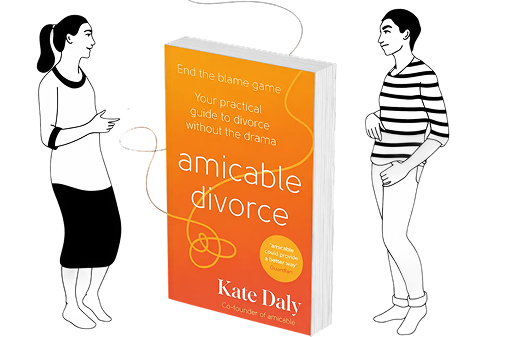
Comments (0)